
History and origin
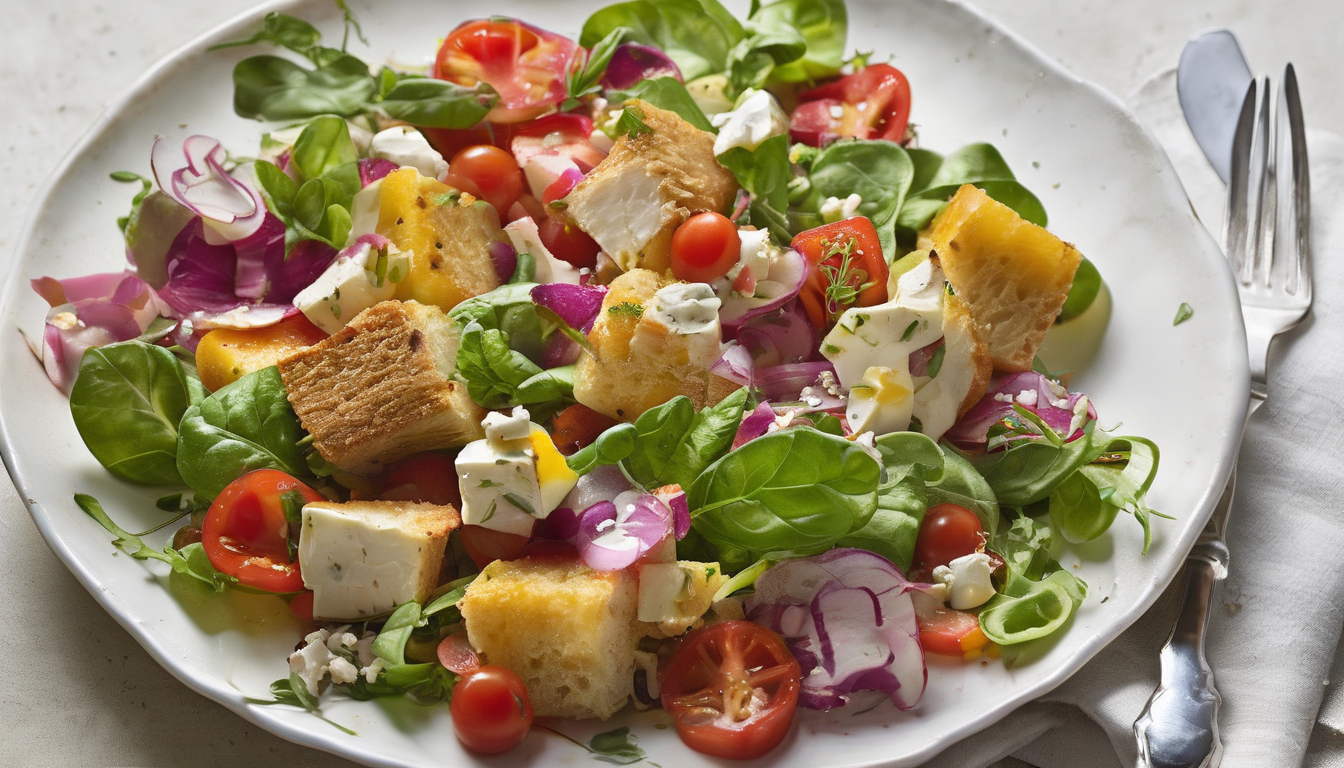
Panzanella salad traces its roots to the rustic countryside of central Italy, particularly the regions of Tuscany and Umbria. Traditionally a peasant dish, it was born out of necessity and resourcefulness, making use of stale bread and the abundance of fresh vegetables available during the summer months. The name “Panzanella” is believed to be a combination of “pane” (bread) and “zanella” (a deep plate or bowl), reflecting its humble beginnings as a bread-based salad served in a bowl.
Historical references to Panzanella date back to the 16th century, with the Florentine painter and poet Bronzino praising a salad made with onions, oil, and vinegar served with toast. However, the modern version of Panzanella, which prominently features tomatoes, did not emerge until the 20th century, after tomatoes became a staple in Italian cuisine. Before that, the salad was often made with onions, cucumbers, and sometimes even purslane or other foraged greens.
Originally, Panzanella was a way to avoid wasting bread, as Tuscan bread is traditionally made without salt and becomes hard quickly. By soaking the stale bread in water and then squeezing it dry, it could be revived and combined with fresh vegetables, olive oil, and vinegar to create a refreshing and satisfying dish. Over time, Panzanella evolved from a frugal meal into a celebrated summer salad, appreciated for its vibrant flavors and rustic charm.
Ingredients and preparation
To prepare a traditional Panzanella salad, start with high-quality, rustic bread and the freshest vegetables you can find. The key to an authentic and flavorful Panzanella lies in the balance of textures and the quality of the ingredients, especially the olive oil and vinegar used for dressing.
Ingredients:
- 4 cups of day-old rustic Italian bread, cut into 1-inch cubes
- 4 ripe tomatoes, chopped into bite-sized pieces
- 1 small red onion, thinly sliced
- 1 cucumber, peeled and sliced into half-moons
- 1/2 cup fresh basil leaves, torn
- 1/4 cup extra virgin olive oil
- 2 tablespoons red wine vinegar
- Salt and freshly ground black pepper, to taste
Preparation:
- Step 1: Begin by preparing the bread. If it’s not already stale, you can dry it out by placing the cubes on a baking sheet and toasting them in a 300°F (150°C) oven for about 10–15 minutes, until they are dry but not browned.
- Step 2: Place the bread cubes in a large mixing bowl. Sprinkle them lightly with water to soften slightly, then let them sit for about 10 minutes. Squeeze out any excess moisture gently with your hands.
- Step 3: Add the chopped tomatoes, sliced red onion, cucumber, and torn basil to the bowl with the bread.
- Step 4: In a small bowl, whisk together the olive oil and red wine vinegar. Season with salt and pepper to taste.
- Step 5: Pour the dressing over the salad and toss gently to combine, ensuring the bread absorbs the juices from the tomatoes and the dressing.
- Step 6: Let the salad rest at room temperature for at least 30 minutes before serving. This allows the flavors to meld and the bread to soak up the dressing fully.
For best results, use tomatoes at the peak of ripeness and a good-quality, crusty bread such as ciabatta or pane toscano. Avoid using soft sandwich bread, as it will become mushy. The salad can be made a few hours in advance and kept at room temperature, but avoid refrigerating it, as cold temperatures can dull the flavors and alter the texture of the bread.
Serving suggestions and variations
Panzanella is best enjoyed as a light summer meal or as a vibrant side dish accompanying grilled meats, seafood, or antipasti platters. Its refreshing acidity and hearty texture make it a versatile addition to any warm-weather menu. Serve it alongside grilled chicken marinated in lemon and herbs, or pair it with a simple seared steak or pork chops for a rustic Italian-inspired dinner. It also complements grilled fish, such as branzino or swordfish, especially when finished with a drizzle of lemon-infused olive oil.
For a more casual presentation, Panzanella can be served in individual bowls or on a large platter garnished with additional fresh basil and a few shavings of Parmigiano-Reggiano. If you’re hosting a picnic or outdoor gathering, consider layering the salad in mason jars for a portable and visually appealing option.
There are many regional and seasonal variations of Panzanella that allow for creativity and adaptation based on available ingredients. Here are a few popular variations:
- Caprese-style Panzanella: Add fresh mozzarella balls (bocconcini) or torn burrata for a creamy contrast to the tangy dressing and juicy tomatoes.
- Grilled vegetable Panzanella: Incorporate grilled zucchini, eggplant, or bell peppers for a smoky depth of flavor. This variation works especially well when served warm or at room temperature.
- Protein-packed Panzanella: Add grilled chicken, tuna, or chickpeas to transform the salad into a more substantial main course.
- Fruit-infused Panzanella: For a sweet-savory twist, include chunks of ripe peaches, nectarines, or watermelon. These fruits pair beautifully with tomatoes and basil, adding a refreshing burst of flavor.
- Winter Panzanella: Substitute tomatoes with roasted root vegetables like beets, carrots, and squash, and use a hearty whole-grain bread. A balsamic vinaigrette works well in this version.
To elevate the flavor profile, consider adding a touch of anchovy paste or finely chopped anchovies to the dressing for umami depth. A few crushed capers or olives can also introduce a briny note that complements the sweetness of the tomatoes. For added crunch, sprinkle toasted pine nuts or crushed croutons just before serving.
Whether served as a starter, side, or main dish, Panzanella remains a celebration of simplicity and seasonal ingredients. Its adaptability ensures it can be enjoyed year-round with just a few thoughtful adjustments.