
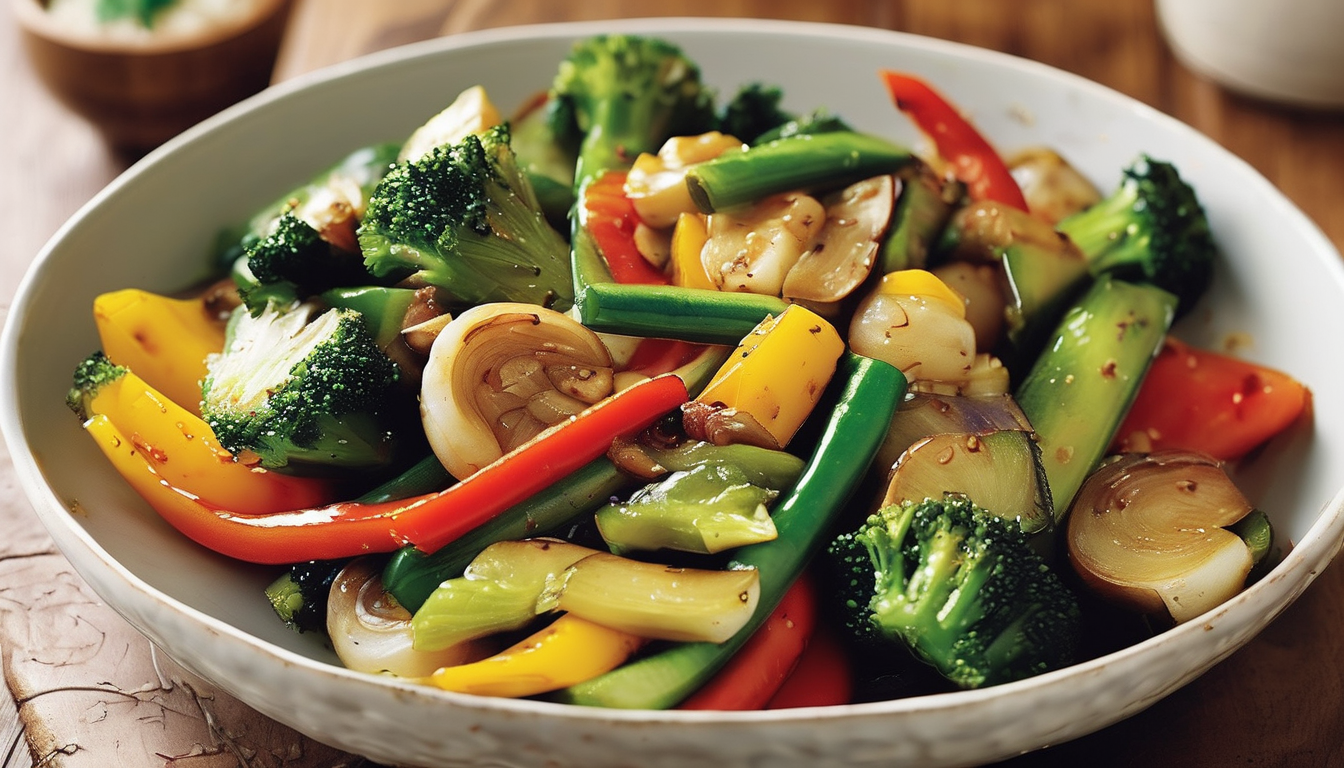
Choosing the freshest summer vegetables
When creating a vibrant and flavorful summer vegetable stir-fry, the quality of your produce is paramount. Selecting the freshest vegetables ensures not only better taste but also optimal texture and nutritional value. Summer offers a bounty of colorful, crisp vegetables that are perfect for quick, high-heat cooking methods like stir-frying.
Start by visiting your local farmers’ market or produce stand, where vegetables are often harvested the same day. Look for vegetables that are firm, brightly colored, and free from blemishes or soft spots. Here are some top choices for a summer stir-fry and tips on how to select them:
- Bell Peppers: Choose peppers with glossy, unwrinkled skin and a firm feel. Red, yellow, and orange varieties add sweetness and color to your dish.
- Zucchini and Yellow Squash: Opt for small to medium-sized squash, which tend to be more tender and flavorful. The skin should be smooth and free of nicks.
- Green Beans: Look for beans that snap easily when bent. They should be bright green and free from brown spots or limpness.
- Cherry Tomatoes: Select tomatoes that are plump and deeply colored. Avoid any that are cracked or overly soft.
- Sweet Corn: Fresh corn should have bright green husks and moist silk. Kernels should be plump and tightly packed.
- Carrots: Choose carrots that are firm with a vibrant orange color. Avoid any that feel rubbery or have green tops that are wilted.
- Snow Peas or Sugar Snap Peas: These should be crisp and bright green. Avoid any that are yellowing or have visible blemishes.
Whenever possible, buy organic or locally grown produce to ensure the best flavor and minimal pesticide exposure. Keep in mind that freshness begins to decline as soon as vegetables are harvested, so plan to cook your stir-fry within a day or two of purchasing your ingredients for the best results.
Preparing your ingredients for optimal flavor
Once you’ve selected the freshest summer vegetables, proper preparation is key to unlocking their full flavor potential in your stir-fry. Begin by washing all vegetables thoroughly under cold running water to remove any dirt or residual pesticides. Pat them dry with a clean kitchen towel or paper towels—excess moisture can cause vegetables to steam rather than sear in the hot pan, which can dull their flavor and texture.
Next, focus on uniformity in cutting. Consistent sizing ensures even cooking and a more visually appealing dish. For example, slice bell peppers into thin strips, cut zucchini and yellow squash into half-moons or matchsticks, and trim green beans to bite-sized lengths. Carrots can be julienned or thinly sliced on a bias for quicker cooking and a more elegant presentation. Cherry tomatoes should be halved to release their juices slightly during cooking, adding a subtle sweetness to the stir-fry. If using corn, slice the kernels off the cob with a sharp knife, being careful to avoid cutting too deeply into the cob.
To enhance flavor, consider marinating heartier vegetables like carrots or green beans in a light mixture of soy sauce, rice vinegar, and a touch of sesame oil for 10–15 minutes before cooking. This step infuses them with umami and helps them caramelize more effectively in the pan.
Prepare aromatics such as garlic, ginger, and scallions in advance. Mince garlic and ginger finely to ensure they cook quickly and evenly without burning. Slice scallions thinly, separating the white and green parts—use the white parts early in the cooking process for depth of flavor, and reserve the green tops for garnish.
Having all your ingredients prepped and arranged in bowls or on a tray before you begin cooking—known as mise en place—will streamline the stir-fry process and help you maintain control over timing and heat. Stir-frying is a fast-paced technique, and being organized ensures that nothing is overcooked or forgotten.
Cooking techniques for a perfect stir-fry
Stir-frying is all about high heat, speed, and precision. To achieve the perfect summer vegetable stir-fry, start by selecting the right pan. A traditional wok is ideal due to its shape, which allows for even heat distribution and quick tossing of ingredients. If a wok isn’t available, a large, heavy-bottomed skillet will also work well—just ensure it can withstand high temperatures without warping.
Before you begin cooking, preheat your pan over medium-high to high heat until it’s almost smoking. This step is crucial for achieving the signature sear that gives stir-fried vegetables their vibrant color and slightly charred edges. Add a high smoke point oil such as peanut, grapeseed, or avocado oil. Avoid olive oil, which can burn at high temperatures and impart a bitter flavor.
Cook in batches if necessary to avoid overcrowding the pan. Overcrowding traps steam and causes vegetables to soften rather than sear. Start with the vegetables that take the longest to cook, such as carrots and green beans. Stir-fry them for 2–3 minutes, stirring constantly to prevent burning. Then add medium-density vegetables like bell peppers and zucchini, cooking for another 2–3 minutes. Finally, toss in quick-cooking items like cherry tomatoes, corn kernels, and snow peas during the last minute of cooking to preserve their freshness and crunch.
Use a wide spatula or wok spatula to keep the vegetables moving. Stir-frying is an active cooking method—constant motion ensures even cooking and prevents sticking. Add aromatics like garlic, ginger, and the white parts of scallions early in the process, just after the oil is heated, to infuse the oil with flavor. Be careful not to let them burn; if needed, reduce the heat slightly or add a splash of water to cool the pan momentarily.
For seasoning, a simple sauce can be added during the final minute of cooking. Combine the following in a small bowl:
- 2 tablespoons soy sauce
- 1 tablespoon rice vinegar
- 1 teaspoon sesame oil
- 1 teaspoon honey or maple syrup (optional, for a touch of sweetness)
- 1/2 teaspoon cornstarch mixed with 1 tablespoon water (to slightly thicken the sauce)
Pour the sauce over the vegetables and toss quickly to coat. The cornstarch will help the sauce cling to the vegetables, creating a glossy finish. Cook for an additional 30–60 seconds, just until the sauce thickens and everything is evenly coated.
Remove the stir-fry from the heat immediately to prevent overcooking. Garnish with the green parts of the scallions and, if desired, a sprinkle of toasted sesame seeds or crushed red pepper flakes for added texture and flavor. Serve hot over steamed rice, noodles, or enjoy on its own as a light, nutritious summer meal.