
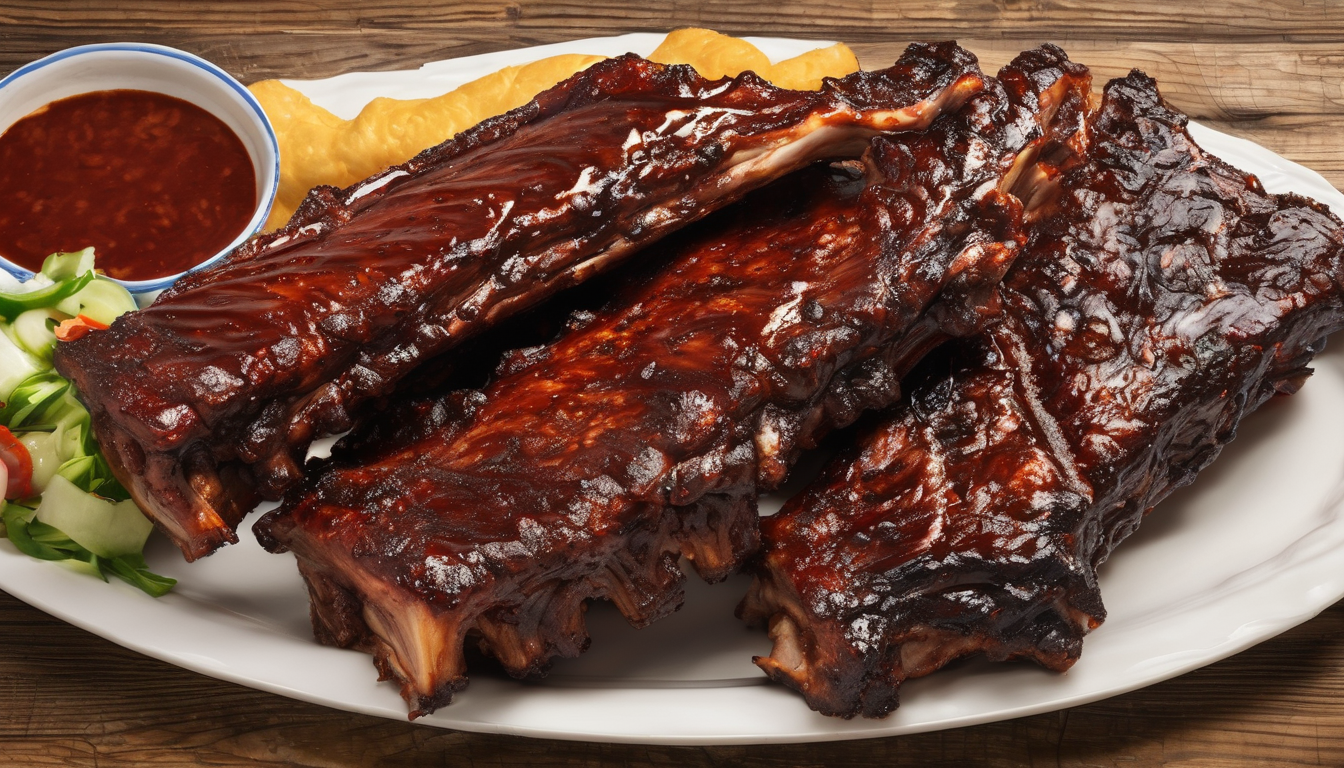
Types of ribs
When preparing BBQ ribs, understanding the different types of ribs is essential to achieving the desired flavor, texture, and presentation. Each cut offers unique characteristics that influence cooking time, seasoning preferences, and grilling methods.
Baby Back Ribs
Also known as loin ribs, baby back ribs are cut from the top of the rib cage between the spine and the spare ribs. They are shorter, curved, and meatier than other rib types, making them a popular choice for grilling. Baby back ribs cook relatively quickly and are known for their tenderness when properly prepared.
Spare Ribs
Spare ribs come from the lower portion of the rib cage, closer to the belly. They are larger, flatter, and contain more fat, which renders during cooking to create rich, flavorful meat. Spare ribs require a longer cooking time to become tender but reward the effort with deep, smoky flavor and a satisfying chew.
St. Louis-Style Ribs
St. Louis-style ribs are spare ribs that have been trimmed to remove the sternum bone, cartilage, and rib tips, resulting in a more uniform rectangular shape. This cut is favored by many pitmasters for its balance of meat and fat, and it cooks more evenly on the grill due to its consistent thickness.
Country-Style Ribs
Despite the name, country-style ribs are not technically ribs. They are cut from the blade end of the loin near the shoulder and contain more meat than bone. These ribs are ideal for those who prefer a meatier bite and can be grilled or slow-cooked for maximum tenderness.
Beef Ribs
Beef ribs come in two main varieties: back ribs and short ribs. Beef back ribs are taken from the rib section of the cow and are similar in appearance to pork ribs but with a more robust flavor. Short ribs are meatier and come from the lower portion of the rib cage. They require longer cooking times and are often braised or smoked to achieve a tender texture.
Choosing the right type of rib depends on your cooking method, flavor preferences, and desired presentation. Each cut offers a unique experience, and experimenting with different types can elevate your BBQ game to new heights.
Preparation and seasoning
Proper preparation and seasoning are crucial steps in creating mouthwatering BBQ ribs. Whether you’re working with baby back ribs, spare ribs, or St. Louis-style cuts, the goal is to enhance the natural flavor of the meat while building layers of seasoning that will stand up to the heat of the grill or smoker.
Ingredients:
- 2 racks of pork ribs (baby back or spare ribs)
- 2 tablespoons kosher salt
- 2 tablespoons brown sugar
- 1 tablespoon smoked paprika
- 1 tablespoon garlic powder
- 1 tablespoon onion powder
- 1 teaspoon ground black pepper
- 1 teaspoon cayenne pepper (optional, for heat)
- 1 teaspoon ground mustard
- 1/2 teaspoon ground cumin
- 1/4 cup yellow mustard (for slathering)
- BBQ sauce of choice (for finishing glaze)
Preparation Steps:
- Remove the membrane: Flip the ribs bone-side up and use a butter knife to loosen the thin silver skin membrane. Grip it with a paper towel and peel it off completely. This step ensures better seasoning penetration and a more tender bite.
- Trim excess fat: Use a sharp knife to remove any large pockets of fat or ragged edges. Clean, uniform ribs cook more evenly and present better on the plate.
- Apply a slather: Coat both sides of the ribs with a thin layer of yellow mustard. This acts as a binder for the dry rub and helps develop a flavorful bark during cooking. The mustard flavor will mellow out and not be noticeable in the final product.
- Mix the dry rub: In a small bowl, combine the salt, brown sugar, smoked paprika, garlic powder, onion powder, black pepper, cayenne, mustard powder, and cumin. Stir until well blended.
- Season generously: Sprinkle the dry rub evenly over both sides of the ribs, pressing it into the meat to ensure it adheres. Be generous but avoid clumping. Let the ribs rest at room temperature for 30–45 minutes to allow the rub to penetrate the surface.
- Optional overnight marinade: For deeper flavor, wrap the seasoned ribs tightly in plastic wrap and refrigerate overnight. This allows the spices to fully infuse the meat and enhances the final taste.
Taking the time to properly prepare and season your ribs sets the foundation for a successful BBQ. The right balance of salt, sugar, and spices not only enhances the meat’s natural flavor but also contributes to the development of a rich, caramelized crust during cooking.
Grilling techniques
Grilling BBQ ribs requires a balance of time, temperature, and technique to achieve that perfect combination of smoky flavor, tender meat, and caramelized bark. Whether you’re using a charcoal grill, gas grill, or smoker, the key is low and slow cooking with indirect heat.
Grilling Method (Charcoal or Gas Grill):
- Preheat the grill: Set up your grill for indirect cooking. For a charcoal grill, bank the coals to one side and place a drip pan on the other. For a gas grill, turn on one or two burners and leave the others off. Aim for a consistent temperature of 250–275°F (120–135°C).
- Add smoke flavor: Soak wood chunks or chips (such as hickory, apple, or cherry) in water for 30 minutes, then place them directly on the coals or in a smoker box on a gas grill. This will infuse the ribs with a deep, smoky aroma.
- Place the ribs on the grill: Position the ribs bone-side down on the cool side of the grill, away from direct heat. Close the lid and maintain a steady temperature throughout the cook.
- Cook low and slow: Grill the ribs for 2.5 to 3 hours, checking every 45 minutes to ensure even cooking and to replenish wood chips or adjust heat as needed. Avoid opening the lid too often, as this releases heat and smoke.
- Wrap for tenderness (optional): After about 2.5 hours, you can wrap the ribs in aluminum foil with a splash of apple juice, cider vinegar, or beer to help tenderize the meat. Return them to the grill for another 45 minutes to 1 hour.
- Unwrap and glaze: Remove the foil and place the ribs back on the grill. Brush with your favorite BBQ sauce and cook uncovered for 15–20 minutes, turning occasionally and basting to build a sticky, caramelized glaze.
Tips for Success:
- Use a meat thermometer: Ribs are done when they reach an internal temperature of 195–203°F (90–95°C). The meat should pull back from the bones and have a slight bend when lifted with tongs.
- Let them rest: After removing the ribs from the grill, let them rest for 10–15 minutes before slicing. This allows the juices to redistribute and keeps the meat moist.
- Avoid high heat: Cooking ribs over direct high heat can cause the sugars in the rub or sauce to burn, resulting in a bitter taste. Always use indirect heat for the majority of the cook.
- Experiment with wood: Different woods impart different flavors. Hickory offers a strong, classic BBQ flavor, while fruit woods like apple and cherry provide a milder, sweeter smoke.
Mastering the grill takes practice, but with patience and attention to detail, you can produce ribs that rival those from any BBQ joint. The combination of smoke, spice, and slow cooking transforms simple pork ribs into a mouthwatering centerpiece for any cookout.