
Ingredients and preparation
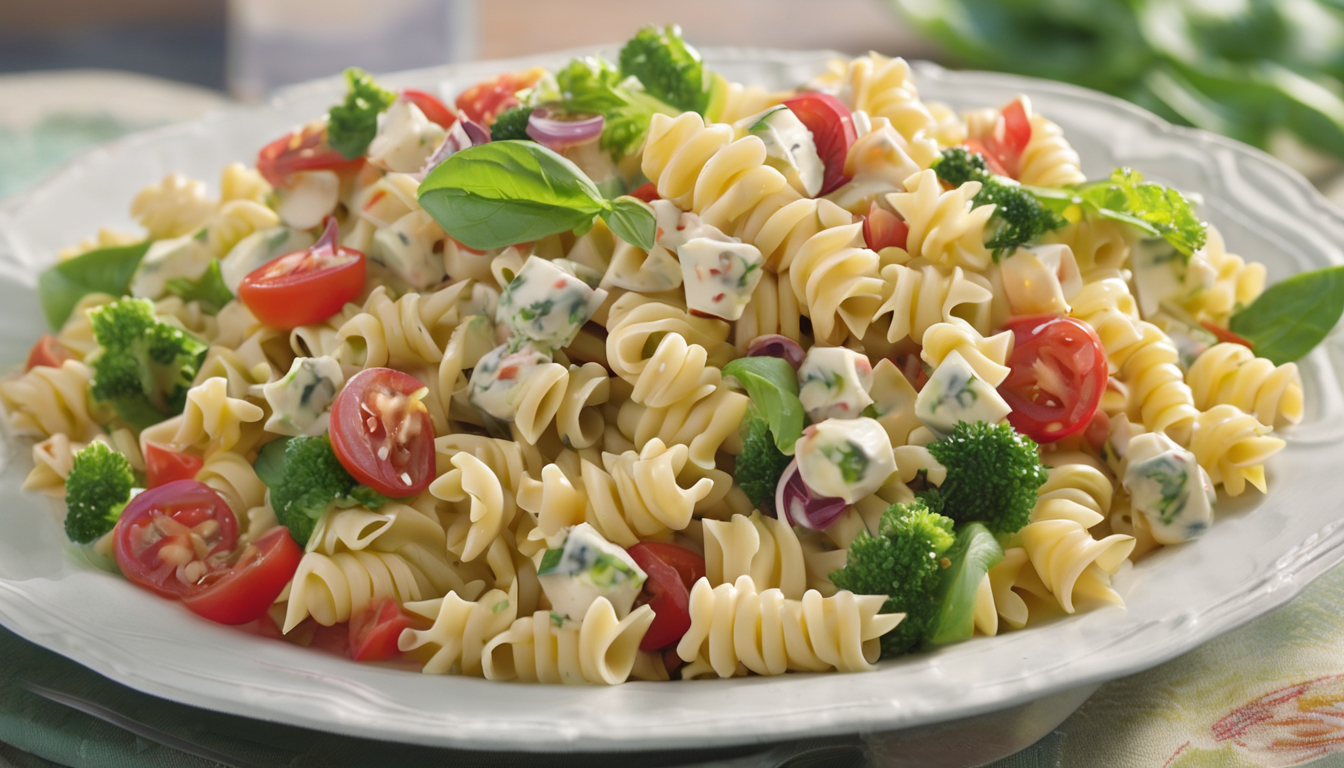
Cold pasta salad is a versatile and refreshing dish that combines cooked pasta with a variety of vegetables, proteins, and dressings. The key to a great pasta salad lies in balancing textures and flavors while ensuring the pasta is cooked and cooled properly to absorb the dressing without becoming mushy.
Ingredients:
- 12 oz (340 g) short pasta (such as rotini, penne, or farfalle)
- 1 cup cherry tomatoes, halved
- 1 cup cucumber, diced
- 1/2 cup red onion, thinly sliced
- 1/2 cup black olives, sliced
- 1/2 cup bell pepper, diced (any color)
- 1/2 cup feta cheese, crumbled
- 1/4 cup fresh parsley, chopped
- 1/3 cup extra virgin olive oil
- 2 tablespoons red wine vinegar
- 1 teaspoon Dijon mustard
- 1 garlic clove, minced
- Salt and freshly ground black pepper, to taste
Preparation:
- Bring a large pot of salted water to a boil. Add the pasta and cook according to package instructions until al dente. Drain and rinse under cold water to stop the cooking process and cool the pasta quickly.
- While the pasta is cooling, prepare the vegetables and other mix-ins. Halve the cherry tomatoes, dice the cucumber and bell pepper, slice the red onion and olives, and crumble the feta cheese.
- In a small bowl, whisk together the olive oil, red wine vinegar, Dijon mustard, minced garlic, salt, and pepper to create the dressing.
- In a large mixing bowl, combine the cooled pasta with the vegetables, olives, and feta cheese. Pour the dressing over the salad and toss gently to coat all ingredients evenly.
- Sprinkle with chopped parsley and adjust seasoning if needed. For best flavor, refrigerate for at least 30 minutes before serving to allow the flavors to meld.
Flavor variations and add-ins
One of the best things about cold pasta salad is its adaptability. You can easily tailor the dish to suit different tastes, dietary needs, or seasonal ingredients. Swapping out or adding a few components can completely transform the flavor profile, making it a dish you can enjoy year-round without it ever feeling repetitive.
Protein Add-ins:
- Grilled chicken: Adds a hearty, savory element. Slice thinly and toss in just before serving.
- Canned tuna or salmon: A quick and easy way to boost protein and add a Mediterranean flair.
- Chickpeas or white beans: Great vegetarian options that add texture and substance.
- Hard-boiled eggs: Chopped eggs lend richness and pair well with creamy dressings.
Vegetable Variations:
- Roasted vegetables: Roasted zucchini, eggplant, or sweet potatoes add depth and a touch of sweetness.
- Artichoke hearts: Marinated or canned, they bring a tangy, briny note.
- Sun-dried tomatoes: Intensely flavored and slightly chewy, they add a punch of umami.
- Corn or peas: Fresh or frozen, these add a pop of color and sweetness.
Cheese Options:
- Mozzarella pearls: Mild and creamy, they pair well with basil and tomatoes for a Caprese-style salad.
- Goat cheese: Crumbled goat cheese adds tang and creaminess.
- Parmesan shavings: A sharp, salty contrast that works well with Italian-style dressings.
Dressing Ideas:
- Italian vinaigrette: A classic choice with herbs, garlic, and red wine vinegar.
- Lemon-herb dressing: Bright and zesty, perfect for summer versions with fresh herbs.
- Creamy ranch or Caesar: Richer dressings that work well with grilled meats and hearty vegetables.
- Pesto: A basil or sun-dried tomato pesto adds bold flavor and a vibrant green hue.
Flavor Boosters:
- Fresh herbs: Basil, dill, mint, or cilantro can dramatically change the flavor profile.
- Capers or pickled onions: Add acidity and brightness.
- Nuts or seeds: Toasted pine nuts, sunflower seeds, or slivered almonds add crunch and richness.
- Spices: A pinch of smoked paprika, crushed red pepper flakes, or za’atar can elevate the dish.
When experimenting with variations, aim for a balance of textures and flavors—something creamy, something crunchy, something tangy, and something fresh. This ensures that every bite is satisfying and layered with complexity.
Storage and serving tips
Cold pasta salad is best enjoyed chilled, and proper storage is key to maintaining its freshness and flavor. Once the salad is assembled and dressed, transfer it to an airtight container and refrigerate. It should be consumed within 3 to 5 days for optimal taste and food safety. If the salad contains delicate greens or herbs, consider adding them just before serving to prevent wilting.
Before serving, give the salad a gentle toss to redistribute the dressing and ingredients, as the pasta may absorb some of the moisture during refrigeration. If the salad appears dry, drizzle with a little extra olive oil or a splash of vinegar to refresh the flavors. For salads with creamy dressings, a spoonful of yogurt or mayonnaise can help restore creaminess.
When serving at gatherings or picnics, keep the salad chilled by placing the serving bowl over a larger bowl filled with ice. This is especially important if the salad contains dairy, eggs, or mayonnaise-based dressings. Avoid leaving the salad at room temperature for more than two hours to prevent spoilage.
If you’re preparing the salad ahead of time, consider storing the dressing separately and mixing it in just before serving. This helps preserve the texture of the vegetables and prevents the pasta from becoming overly soft. Additionally, ingredients like avocado or fresh herbs are best added at the last minute to maintain their color and flavor.
For meal prep, portion the salad into individual containers for easy grab-and-go lunches. It pairs well with grilled meats, sandwiches, or can be enjoyed on its own as a light, satisfying meal. With proper storage and a few simple tips, your cold pasta salad will remain vibrant and delicious throughout the week.