
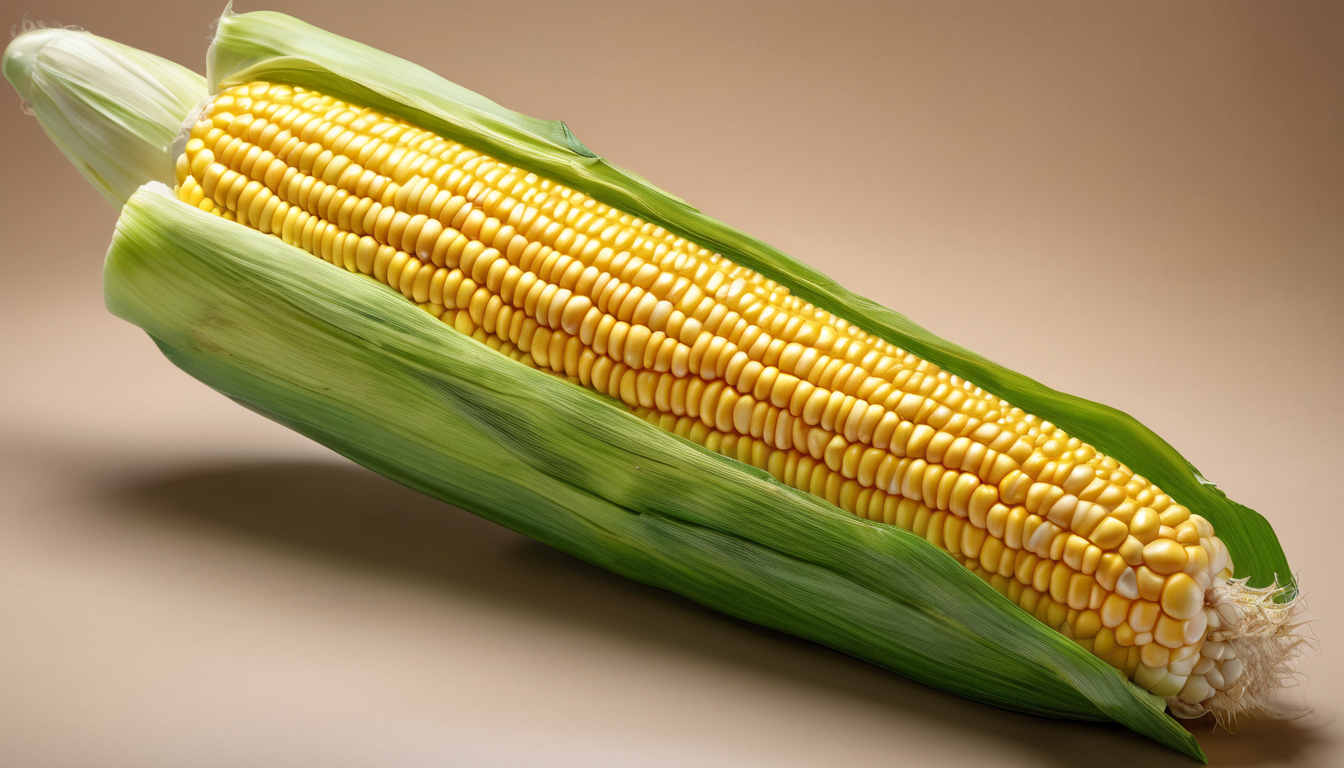
History and cultivation
Corn on the cob has a rich history that dates back thousands of years to the indigenous peoples of Mesoamerica. Maize, the plant from which corn is derived, was first domesticated in what is now southern Mexico around 9,000 years ago. Through careful selection and cultivation, early farmers transformed the wild grass teosinte into the plump, juicy kernels we recognize today as corn. This staple crop quickly became central to the diets and cultures of many Native American tribes, who developed various methods for growing, harvesting, and preparing it.
As European explorers arrived in the Americas, they encountered corn and brought it back to Europe, where it was gradually adopted into agricultural systems. Over time, corn spread across the globe, adapting to different climates and becoming a key crop in many countries. In the United States, corn became especially prominent in the Midwest, where the fertile soil and favorable climate allowed for large-scale cultivation. Today, sweet corn varieties are specifically bred for their tender kernels and high sugar content, making them ideal for eating fresh on the cob.
Modern cultivation of corn on the cob involves selecting hybrid varieties that offer consistent sweetness, disease resistance, and uniform growth. Farmers typically plant corn in late spring, once the soil has warmed sufficiently. The plants require full sun and well-drained soil, and they thrive with regular watering and fertilization. Corn is usually harvested when the ears are fully developed but still tender—typically about 20 days after the silk first appears. At this stage, the kernels are at their peak flavor and juiciness, perfect for enjoying freshly cooked on the cob.
Cooking methods
There are several popular methods for cooking corn on the cob, each bringing out different nuances in flavor and texture. Whether you’re grilling, boiling, steaming, or roasting, the key is to start with fresh, sweet corn and cook it just long enough to enhance its natural sweetness without overcooking.
Ingredients:
- 4 ears of fresh sweet corn, husked
- Water (for boiling or steaming)
- Salt (optional, for boiling water)
- Butter, to taste
- Salt and pepper, to taste
- Optional toppings: lime juice, chili powder, grated cheese, fresh herbs
Boiling Method:
- Fill a large pot with water and bring it to a boil. Add a pinch of salt if desired.
- Place the husked corn into the boiling water. Cover the pot and reduce heat slightly.
- Boil for 4–6 minutes, or until the kernels are tender and bright yellow.
- Remove the corn with tongs and serve immediately with butter and seasonings.
Grilling Method:
- Preheat the grill to medium-high heat.
- Brush the husked corn lightly with oil or melted butter.
- Place the corn directly on the grill grates and cook for 10–12 minutes, turning every few minutes until the kernels are slightly charred and tender.
- Remove from the grill and season as desired.
Steaming Method:
- Fill a large pot with about 2 inches of water and insert a steamer basket.
- Bring the water to a boil, then place the husked corn in the basket.
- Cover and steam for 6–8 minutes, or until the corn is tender.
- Serve hot with butter and your choice of toppings.
Oven-Roasting Method:
- Preheat the oven to 400°F (200°C).
- Wrap each ear of husked corn in aluminum foil with a pat of butter and a pinch of salt.
- Place the wrapped corn on a baking sheet and roast for 25–30 minutes, turning once halfway through.
- Carefully unwrap and serve hot.
Cooking Tips:
- For maximum flavor, cook corn as soon as possible after harvesting or purchasing—it loses sweetness over time.
- Do not overcook; overcooked corn becomes tough and loses its natural sweetness.
- Try compound butters with herbs, garlic, or citrus zest for a gourmet touch.
- For a smoky flavor, grill corn in the husk, soaking it in water for 15 minutes beforehand to prevent burning.
Nutritional benefits
Corn on the cob is not only a summertime favorite for its sweet, juicy flavor, but it also offers a variety of nutritional benefits that make it a wholesome addition to your plate. Rich in essential nutrients, corn provides a good source of dietary fiber, which supports healthy digestion and helps maintain steady blood sugar levels. A single ear of corn contains about 2 grams of fiber, contributing to your daily intake in a delicious and satisfying way.
In addition to fiber, corn is packed with important vitamins and minerals. It is particularly high in vitamin C, an antioxidant that supports immune function and skin health. Corn also contains B vitamins such as thiamin (B1) and folate (B9), which are vital for energy metabolism and cell repair. Folate is especially important for pregnant individuals, as it plays a key role in fetal development.
Another notable benefit of corn is its content of antioxidants like lutein and zeaxanthin. These carotenoids are known to promote eye health by protecting against oxidative damage and reducing the risk of age-related macular degeneration. Including corn on the cob in your diet can be a tasty way to support long-term vision health.
Despite its natural sweetness, corn has a relatively low glycemic index compared to other starchy vegetables, meaning it has a more gradual effect on blood sugar levels. This makes it a suitable option for those managing diabetes or looking to maintain balanced energy throughout the day.
When prepared without excessive butter or salt, corn on the cob is a low-fat, low-calorie food that fits well into a balanced diet. For a healthier twist, consider seasoning with fresh herbs, a squeeze of lime, or a sprinkle of chili powder instead of relying solely on butter. These additions not only enhance flavor but also contribute additional nutrients and antioxidants.
Whether served as a side dish or the star of the meal, corn on the cob offers a satisfying combination of taste and nutrition that appeals to both the palate and the body’s needs.