
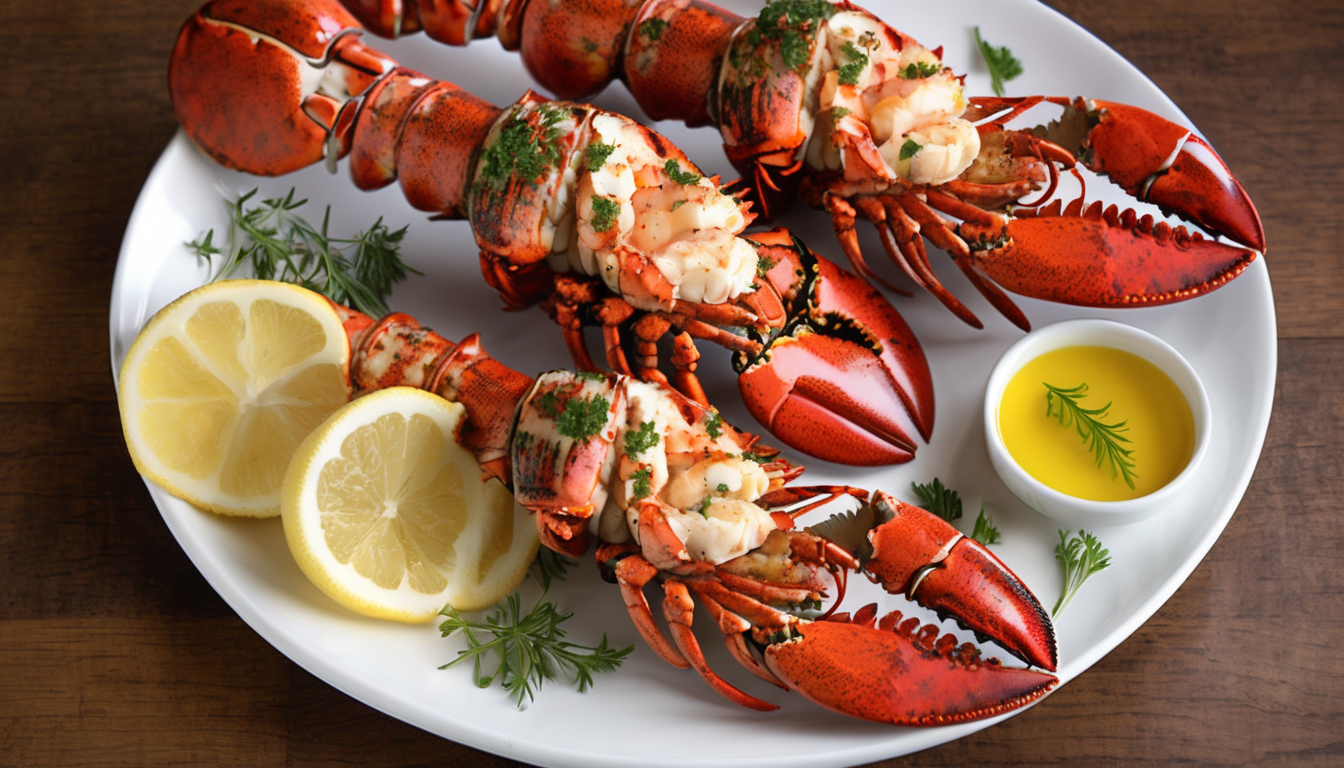
Choosing the best lobster tails
When selecting lobster tails for grilling, freshness and size are key factors that influence both flavor and texture. Opt for cold-water lobster tails, which are known for their sweet, tender meat and superior quality compared to warm-water varieties. Cold-water tails typically come from regions like Maine, Canada, or New Zealand and are less likely to have a mushy texture after cooking.
Look for tails that are firm to the touch and have a translucent, slightly grayish color. Avoid tails with black spots or yellowing, as these may indicate age or poor handling. If purchasing frozen lobster tails, ensure they are solidly frozen with no signs of freezer burn or excessive ice crystals, which can affect the taste and moisture content.
Size matters when grilling lobster tails. Medium-sized tails, ranging from 5 to 8 ounces each, are ideal for even cooking and easy handling on the grill. Larger tails may require more precise temperature control to avoid overcooking the exterior while ensuring the interior is fully cooked.
When possible, choose lobster tails that are labeled as “wild-caught” and sustainably sourced. These options not only support responsible fishing practices but also tend to offer better flavor and texture. Always check for certifications such as MSC (Marine Stewardship Council) to ensure you’re making an environmentally conscious choice.
Preparing lobster tails for grilling
Before grilling, lobster tails need to be properly thawed, cleaned, and prepared to ensure even cooking and optimal flavor. If using frozen lobster tails, place them in the refrigerator for 8–12 hours to thaw gradually. For a quicker method, seal the tails in a plastic bag and submerge them in cold water for 30–60 minutes, changing the water every 15 minutes. Avoid using warm or hot water, as it can begin to cook the meat unevenly.
Once thawed, rinse the lobster tails under cold water and pat them dry with paper towels. To prepare the tails for grilling, use kitchen shears to cut through the top shell lengthwise, starting from the wide end and stopping just before the tail fin. Be careful not to cut into the meat. Gently spread the shell apart and use your fingers to loosen the meat from the shell, lifting it slightly while keeping it attached at the base. Rest the meat on top of the shell for a classic presentation known as “piggybacking.”
For added flavor and moisture, consider marinating the lobster tails or brushing them with a seasoned butter mixture before grilling. Here’s a simple preparation to enhance the natural sweetness of the lobster:
- 4 lobster tails (5–8 ounces each, thawed and prepared as described)
- 1/4 cup unsalted butter, melted
- 2 cloves garlic, minced
- 1 tablespoon fresh lemon juice
- 1 teaspoon smoked paprika
- 1/2 teaspoon sea salt
- 1/4 teaspoon freshly ground black pepper
- 1 tablespoon chopped fresh parsley (optional, for garnish)
In a small bowl, combine the melted butter, garlic, lemon juice, paprika, salt, and pepper. Brush the mixture generously over the exposed lobster meat. Reserve some of the butter mixture for basting during grilling. Let the tails sit at room temperature for 10–15 minutes to absorb the flavors before placing them on the grill.
Proper preparation not only enhances the taste but also ensures the lobster tails cook evenly and remain juicy on the grill. Taking the time to butterfly and season the tails will elevate the final dish and impress your guests with both flavor and presentation.
Grilling techniques and serving suggestions
Preheat your grill to medium-high heat, around 400–450°F (204–232°C). If using a charcoal grill, ensure the coals are evenly distributed and glowing red with a light coating of ash. For gas grills, allow at least 10–15 minutes of preheating with the lid closed to reach the desired temperature. Clean and oil the grates to prevent sticking and to achieve those desirable grill marks on the lobster meat.
Place the prepared lobster tails meat-side down directly on the grill grates. Grill for 4–5 minutes, or until the meat develops light char marks and begins to turn opaque. Carefully flip the tails shell-side down using tongs. Baste the exposed meat with the reserved garlic-lemon butter mixture, allowing it to seep into the crevices for added flavor and moisture.
Continue grilling for another 3–5 minutes with the lid closed, depending on the size of the tails. The lobster is done when the meat is opaque and firm to the touch, with an internal temperature of 135–140°F (57–60°C). Avoid overcooking, as lobster can quickly become rubbery and dry.
Once cooked, remove the tails from the grill and let them rest for 2–3 minutes. This allows the juices to redistribute and enhances the overall texture. For a finishing touch, drizzle with additional melted butter and a squeeze of fresh lemon juice. Garnish with chopped parsley if desired.
Grilled lobster tails pair beautifully with a variety of sides. Consider serving them with grilled asparagus, roasted potatoes, or a crisp garden salad. For a more indulgent meal, accompany the lobster with drawn butter infused with herbs or a light garlic aioli. A chilled glass of Chardonnay or a citrusy Sauvignon Blanc complements the sweet, smoky flavor of the grilled lobster perfectly.