
History and origins
Lemonade has a long and refreshing history that dates back to ancient times. The earliest known references to a lemon-based drink can be traced to Egypt around 1000 AD, where a beverage called “qatarmizat” was made from fermented barley and flavored with lemon juice. This early version of lemonade was both a thirst-quencher and a method of preserving the juice of lemons, which were prized for their tart flavor and medicinal properties.
As lemons spread through the Mediterranean via Arab traders, so too did the concept of lemon-based drinks. In medieval Europe, particularly in France and Italy, sweetened lemon water became popular among the aristocracy. By the 17th century, lemonade had evolved into a fashionable refreshment in Paris, where vendors known as “limonadiers” sold it from portable tanks. These early street vendors helped establish lemonade as a staple of public refreshment culture.
In colonial America, lemonade gained popularity as an alternative to alcoholic beverages, especially during the temperance movement of the 19th century. It was often served at social gatherings and became a symbol of wholesome hospitality. The invention of carbonated water in the 18th century also led to the development of sparkling lemonade, which added a fizzy twist to the traditional recipe.
Throughout its history, lemonade has adapted to local tastes and ingredients. In India, for example, a spiced version known as “nimbu pani” includes salt, cumin, and sometimes mint. In the United States, pink lemonade emerged in the late 19th century, often colored with cranberry juice or food dye, and became a carnival and fairground favorite.
From ancient Egypt to modern-day kitchens, lemonade has remained a beloved beverage, celebrated for its simplicity, versatility, and ability to refresh across cultures and centuries.
Ingredients and preparation
Making classic lemonade at home is a simple yet rewarding process that highlights the bright, tangy flavor of fresh lemons. The key to a perfect glass of lemonade lies in balancing the tartness of the lemon juice with the sweetness of sugar and the refreshing quality of cold water. Below is a basic recipe that can be easily adjusted to suit your taste preferences.
Ingredients:
- 1 cup freshly squeezed lemon juice (about 4–6 lemons)
- 1 cup granulated sugar
- 5 cups cold water
- Ice cubes (as needed)
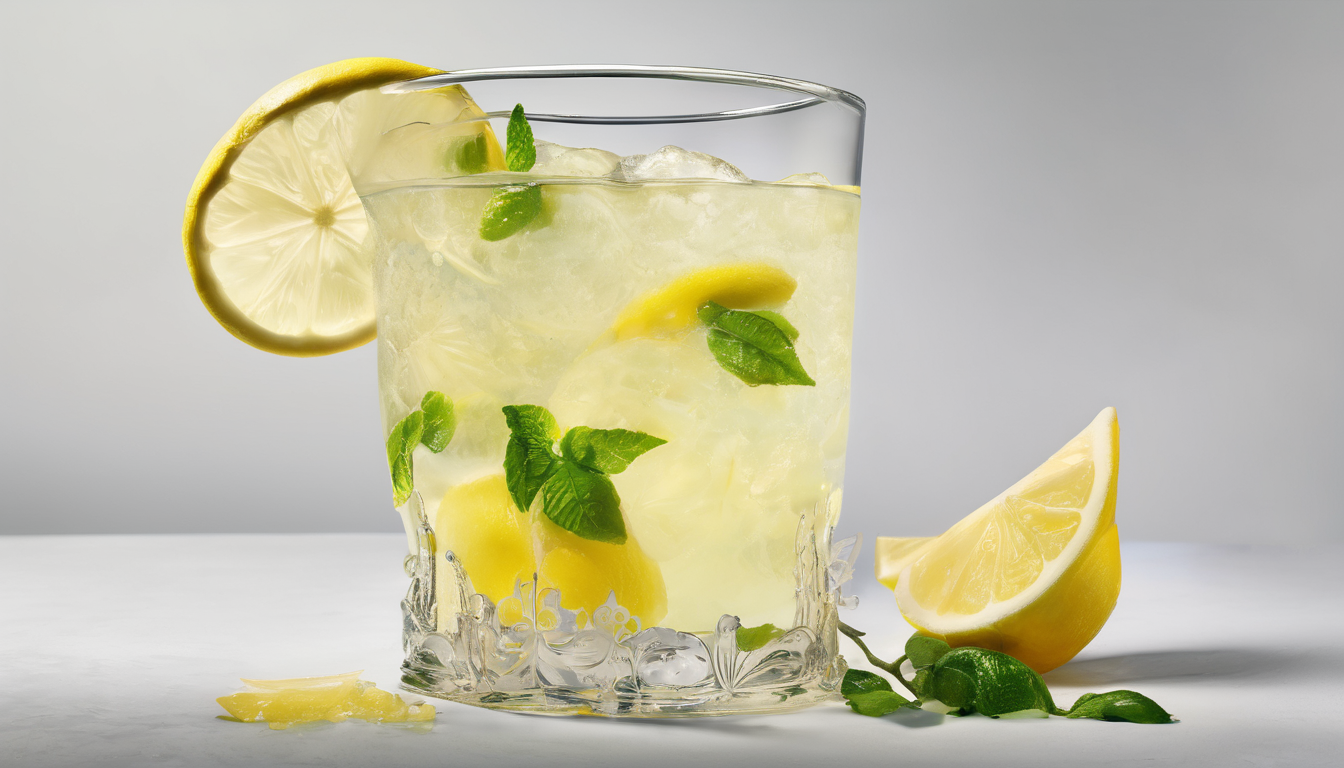
- Optional: lemon slices and fresh mint for garnish
Instructions:
- Step 1: Begin by making a simple syrup. In a small saucepan, combine 1 cup of water with the sugar. Heat over medium heat, stirring constantly, until the sugar is completely dissolved. Remove from heat and let it cool to room temperature.
- Step 2: While the syrup is cooling, juice the lemons. Roll each lemon on the countertop with your palm to loosen the juice, then cut in half and squeeze. Strain the juice through a fine mesh sieve to remove seeds and excess pulp.
- Step 3: In a large pitcher, combine the freshly squeezed lemon juice and the cooled simple syrup. Add the remaining 4 cups of cold water and stir well to mix.
- Step 4: Taste the lemonade and adjust the sweetness or tartness by adding more sugar syrup or lemon juice as desired. For a more intense lemon flavor, add a bit of finely grated lemon zest.
- Step 5: Refrigerate the lemonade for at least 1 hour before serving to allow the flavors to meld and the drink to chill thoroughly.
- Step 6: Serve over ice and garnish with lemon slices and fresh mint if desired.
Tips for Success:
- Use freshly squeezed lemon juice for the best flavor. Bottled lemon juice lacks the brightness and complexity of fresh lemons.
- To make pink lemonade, add a splash of cranberry juice, raspberry purée, or a few drops of natural food coloring.
- For a sparkling version, replace some or all of the cold water with chilled sparkling water just before serving.
- Infuse your simple syrup with herbs like basil, rosemary, or lavender for a gourmet twist.
- Store leftover lemonade in the refrigerator for up to 5 days. Stir before serving, as natural separation may occur.
Cultural significance and variations
Lemonade holds a cherished place in cultures around the world, not only as a refreshing beverage but also as a symbol of hospitality, celebration, and seasonal enjoyment. Its versatility has allowed it to evolve into countless regional variations, each reflecting local tastes, ingredients, and traditions.
In the United States, lemonade is synonymous with summer and childhood. It’s a staple at picnics, barbecues, and community events, and the iconic lemonade stand has become a rite of passage for young entrepreneurs. Pink lemonade, often associated with fairs and amusement parks, adds a whimsical twist with its rosy hue and slightly fruitier flavor, typically achieved with cranberry juice, raspberry syrup, or natural food coloring.
Across the Atlantic, the United Kingdom has its own interpretation of lemonade, which is typically a carbonated soft drink rather than a still beverage. British lemonade is often used as a mixer in cocktails, such as the classic Pimm’s Cup, where it’s combined with fruit, herbs, and liqueur for a refreshing summer drink.
In South Asia, particularly in India and Pakistan, lemonade takes on a savory dimension in the form of “nimbu pani” or “shikanji.” This version includes salt, black pepper, roasted cumin powder, and sometimes chaat masala, creating a complex flavor profile that balances sweet, sour, and spicy notes. It’s commonly served chilled during the hot months to combat dehydration and heat exhaustion.
In the Middle East, lemonade is often infused with floral or herbal elements. Lebanese-style lemonade may include orange blossom water or rose water, lending a fragrant and exotic aroma. Mint is another popular addition, either muddled into the drink or blended for a vibrant green hue and cooling effect.
Latin American countries also offer unique takes on lemonade. In Mexico, “limonada” can be made with either still or sparkling water and is frequently sweetened with agave syrup or piloncillo (unrefined cane sugar). In Brazil, “limonada suíça” is a creamy, frothy version made by blending whole limes (peel included) with sugar, water, and ice, then straining before serving.
These cultural variations not only highlight the adaptability of lemonade but also demonstrate how a simple combination of lemon, water, and sweetener can be transformed into a beverage that resonates with local identity and culinary heritage. Whether served at a street stall in Delhi, a garden party in London, or a backyard gathering in California, lemonade continues to bring people together with its universal appeal and endless possibilities.